
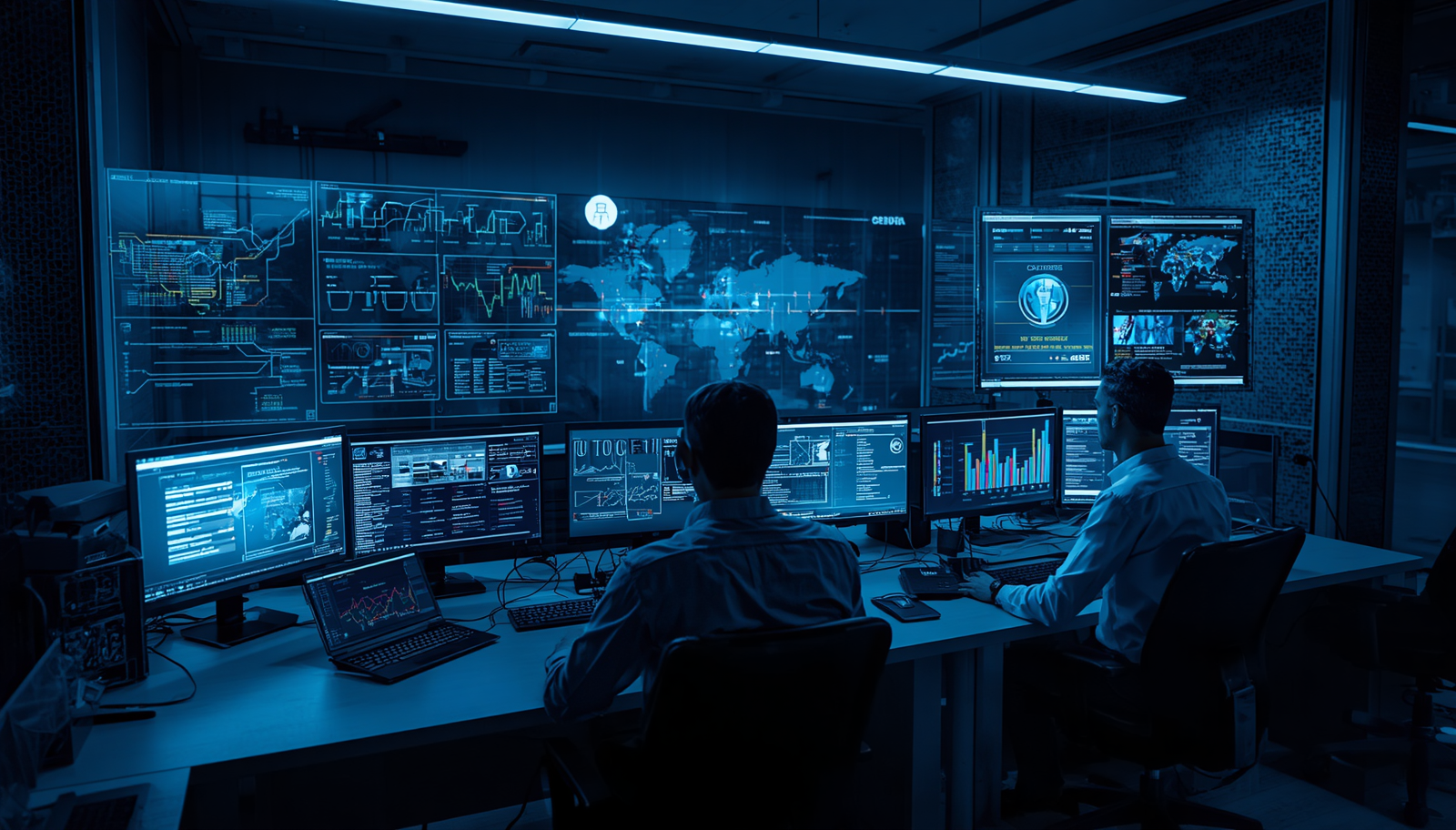
The role of Security Operations Centers (SOCs) has evolved dramatically over the past decade. Organizations today operate in highly connected digital environments where cloud computing, remote work, IoT devices, and AI-powered applications generate massive amounts of security data. At the same time, cybercriminals continue to develop more sophisticated attack methods, making traditional security operations increasingly difficult to manage. As threats become more advanced, organizations need a new approach that combines intelligent automation with experienced cybersecurity professionals.
The next generation of SecOps is being built around collaboration between artificial intelligence and human expertise. AI technologies provide the speed and scale needed to process large volumes of security information, while human analysts contribute strategic thinking and contextual understanding. This partnership is helping organizations improve threat detection, accelerate incident response, and strengthen overall cybersecurity resilience.
Why Traditional Security Operations Need Modernization
Many traditional SOCs rely heavily on manual processes to investigate alerts and respond to incidents. As security environments expand, analysts often face overwhelming numbers of alerts, leading to alert fatigue and slower response times. This challenge makes it difficult to identify genuine threats quickly and efficiently.
AI-powered solutions help address these limitations by automating repetitive security tasks and analyzing data at scale. Intelligent systems can correlate security events, identify suspicious behavior, and prioritize threats based on risk levels. This allows security teams to focus their efforts on the most critical incidents while reducing operational workloads.
Organizations that modernize their security operations can improve visibility, reduce response times, and strengthen protection against evolving cyber threats.
The Future of Human-AI Collaboration in SecOps
Artificial intelligence excels at analyzing large datasets and identifying patterns that may indicate malicious activity. However, effective cybersecurity still requires human judgment. Security analysts provide the context needed to understand business impact, evaluate risks, and determine appropriate response actions.
The future SecOps model emphasizes collaboration rather than replacement. AI serves as an intelligent assistant that enhances analyst capabilities and improves operational efficiency. Human experts remain responsible for strategic investigations, threat hunting, incident management, and security planning.
By combining AI-driven automation with human expertise, organizations can create a more agile and resilient security operation capable of adapting to changing threat landscapes.
Key Benefits of Next-Generation SecOps
- Faster threat detection and response
- Improved analyst productivity
- Reduced security alert fatigue
- Enhanced operational visibility
- Better threat intelligence capabilities
- Automated security workflows
- Stronger cyber resilience
- More effective risk management
Conclusion
The next generation of Security Operations Centers will be defined by collaboration between artificial intelligence and human expertise. Organizations that embrace this model can improve operational efficiency, strengthen threat detection, and respond more effectively to cyber incidents.
As cyber threats continue evolving, AI-powered and human-driven SecOps will become essential for maintaining a strong security posture and supporting long-term business resilience.